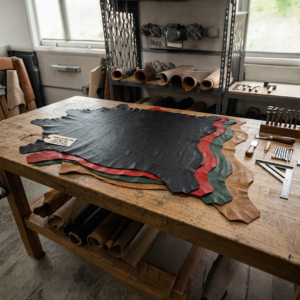
If you’ve ever opened a package of lambskin and found it feels more like a baking sheet than a luxury hide, you already know the problem. Learning how to soften lambskin leather properly is the difference between a project that drapes beautifully and one that fights you at every stitch. The good news: lambskin is among the most responsive leathers on the planet — with the right method, you can take a stiff hide and have it feeling buttery in under an hour.
This guide walks you through 7 proven methods that real leatherworkers use, ranked from gentlest to most aggressive. Use the lighter techniques first — your lambskin will thank you.
Why you need to soften lambskin leather
Lambskin can stiffen for three main reasons: moisture loss (the hide’s natural oils evaporate over time, especially in dry climates), cold storage (fibers contract when stored below 60°F / 15°C), and old conditioner buildup (cheap silicone-based products coat the surface and prevent the leather from breathing). Understanding which one is causing your stiffness tells you which softening method to reach for first.
If you bought your hide recently and it feels stiff right out of the bag, it’s almost always the cold-storage issue — the simplest fix on this list. If your favorite jacket has slowly hardened over years, it’s likely oil depletion, which needs a deeper conditioner.
Method 1 — Quality leather conditioner
The safest way to soften lambskin leather is also the most effective for 90% of cases: a high-quality, pH-neutral leather conditioner. Look for products that list lanolin, neatsfoot oil, or jojoba as the primary ingredient. Avoid anything with petroleum distillates or silicone — both will lock in stiffness over time.
Apply a small amount to a clean microfiber cloth, then massage it into the hide using small circular motions. Work in sections about the size of your palm. After the entire piece is covered, let it rest at room temperature for at least 4 hours. You’ll usually see (and feel) the difference within 30 minutes.
Method 2 — Pure mink oil
Mink oil is the heavy hitter when conditioner alone isn’t enough. It penetrates deeper into the fiber structure than most modern products, which is exactly what you want for an old, dried-out hide. The trade-off: it can darken light-colored leather by one to two shades, so always test on a hidden corner first.
Use mink oil sparingly — a quarter-sized dollop covers about one square foot. Warm it slightly between your hands, then work it in with your fingertips rather than a cloth (the heat helps it absorb). One application is usually enough; if you over-apply, the lambskin can become greasy and limp.
Method 3 — Beeswax cream
Beeswax-based creams strike a beautiful middle ground: they soften and add a subtle protective layer. They’re our top recommendation for lambskin items that get handled often (wallets, bag straps, watch bands) because the wax slows future drying.
Apply with a soft cloth, buff gently after 10 minutes, and let it cure overnight. The next morning your lambskin should feel supple and have a faint warm sheen — never glossy.
Method 4 — Body heat & gentle flexing
Sometimes the answer isn’t a product — it’s just movement. Lambskin fibers loosen when warmed by body heat. If your hide is mildly stiff, drape it over a chair in a sunny spot (never direct hot sun) for an hour, then gently flex it in your hands. Roll it loosely, unroll, repeat. This is the method tailors use to “wake up” a hide before cutting.
For garments, simply wearing them for 20 minutes does the same thing. Just make sure the leather is at room temperature first — never flex cold lambskin, you’ll risk cracking the surface.
Method 5 — Coconut oil (use sparingly)
Coconut oil is a popular DIY option, but treat it as a last resort. It works because the medium-chain fats penetrate quickly, but it can go rancid over time and leave a faint smell. If you use it, use a tiny amount — less than half a teaspoon per square foot — and only on dark leathers.
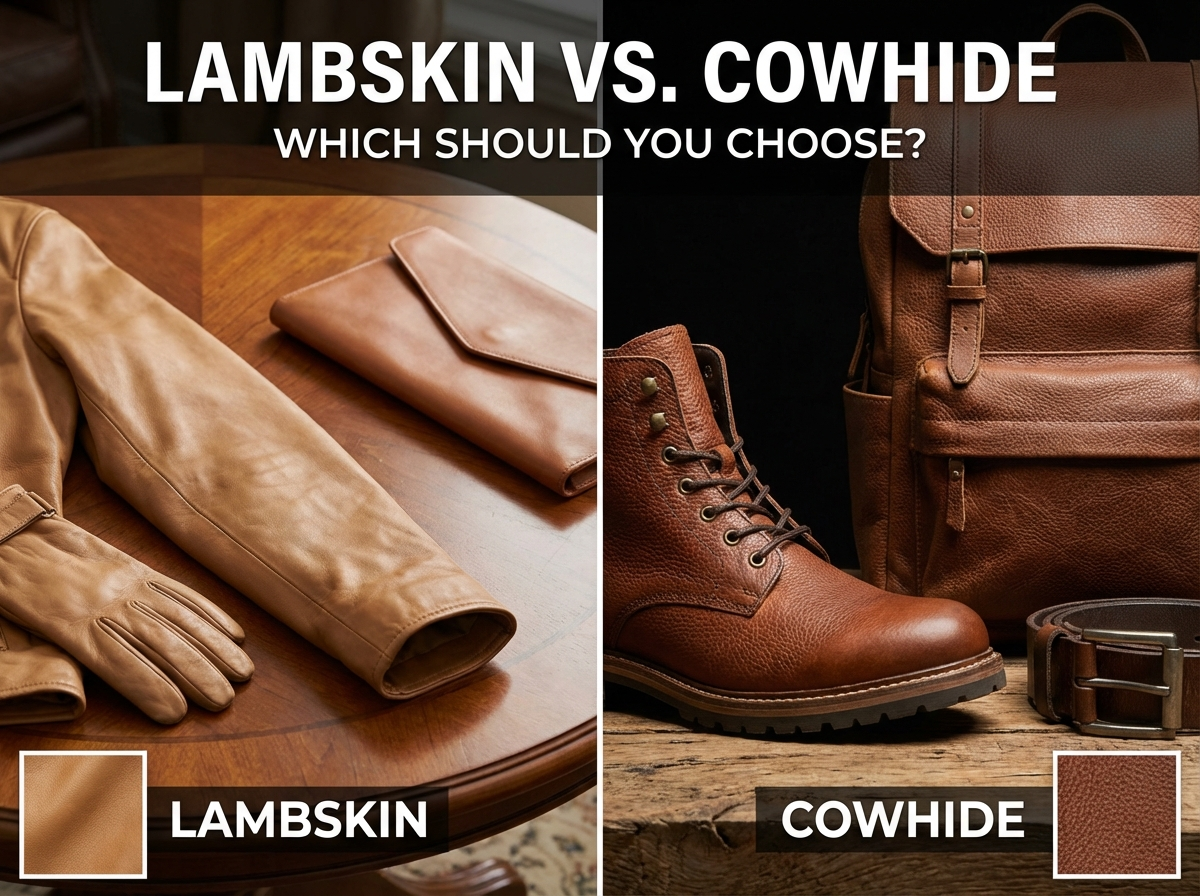
For an in-depth comparison of how lambskin reacts to oils versus other hides, see our guide on lambskin vs. cowhide. Cowhide handles oils much more aggressively because of its fiber density.
Method 6 — Light steam treatment
A handheld garment steamer (held 8 inches away) can relax lambskin fibers quickly. Pass the steam over the hide for no more than 5 seconds per spot, then immediately apply conditioner. The combination of moisture and oil rehydrates the leather in one step. Never use a regular iron — direct heat will scorch lambskin almost instantly.
Method 7 — Professional reconditioning
If your hide has been stiff for years and none of the above worked, take it to a leather restoration specialist. They use commercial-grade fat liquors and humidity chambers that aren’t available retail. Expect to pay $40–$120 per hide, which is still a lot less than replacing a vintage leather jacket.
Shop Premium Lambskin Leather Hides
Looking for the perfect material to apply these soften lambskin leather techniques on? Our Grade A lambskin hides come in 8–10 sq ft pieces, hand-selected for soft temper, even grain, and consistent thickness. Available in black, beige, dark green, red, and tobacco — perfect for jackets, bags, wallets, and craft projects.
Frequently Asked Questions
Can I wash lambskin leather to soften it?
No — water alone makes lambskin stiffer once it dries. If a hide has gotten wet, blot it gently and apply conditioner immediately while it’s still damp. Never put lambskin in a washing machine.
How often should I condition lambskin leather?
Every 6 to 12 months for items in regular use, and once a year for stored hides. In dry climates (under 30% humidity), bump it to every 4 months.
Will conditioner change the color of my lambskin?
Most clear conditioners darken light leather by half a shade temporarily, then it returns to normal as the oils settle. Mink oil is the exception — it usually darkens permanently by one to two shades.
How long does it take to soften a stiff lambskin hide?
With a quality conditioner you’ll feel a clear difference within 30 minutes. Full softness usually develops over 24 hours as the oils penetrate deeper into the fiber structure.